
West Berkshire Brickwork & Landscaping
Feb 1, 2024
Hardscaping is a crucial element in landscape design, adding functionality and aesthetic appeal to outdoor spaces. It involves the use of various structures and pathways to enhance the beauty and utility of gardens. This article will explore the different hardscape options, the materials used, the design process, and a case study to illustrate the transformative power of hardscaping.
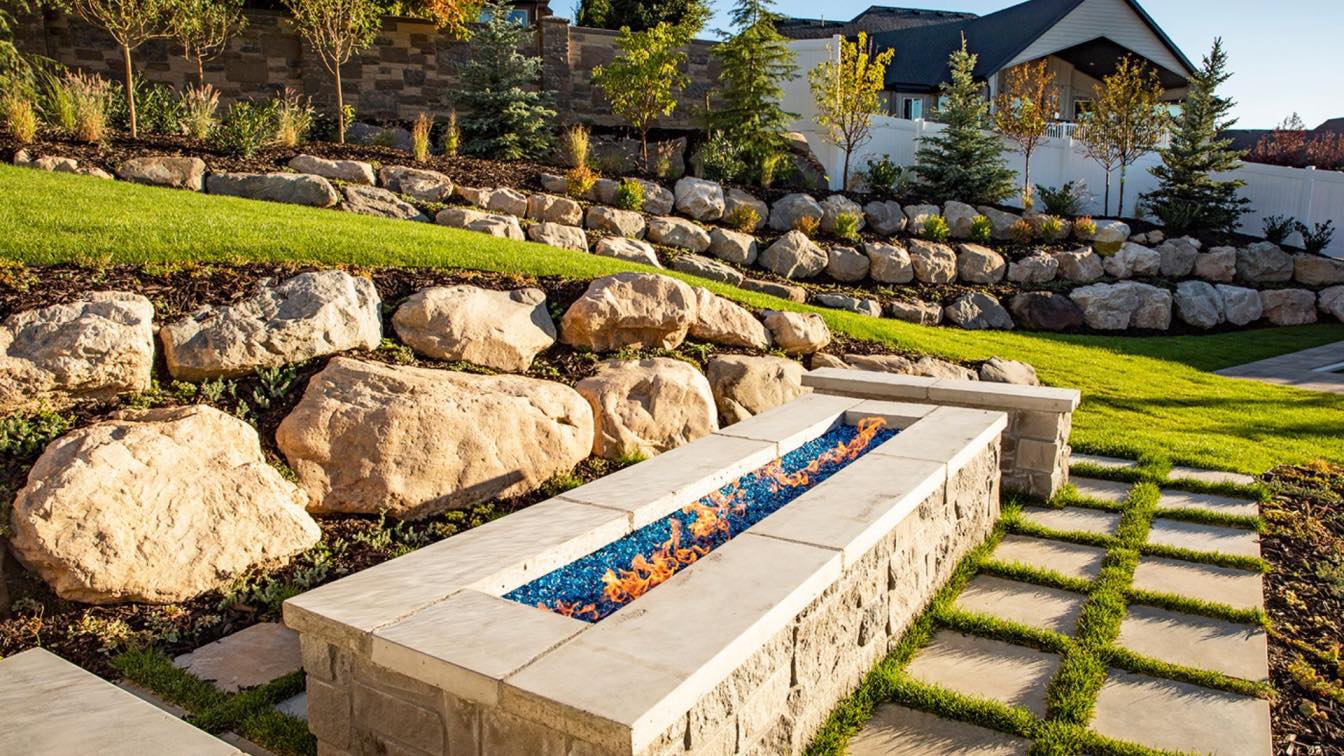
Hardscaping can include garden walls, pathways, and piers. Garden walls can be used to create privacy, retain soil, or provide a backdrop for plants. Pathways can be made from various materials, such as stone, brick, or gravel, and can be designed to be functional or decorative. Piers can be used to support structures, such as pergolas or gazebos, or to create a focal point in a garden.
The materials used in hardscaping should be durable, aesthetically pleasing, and environmentally friendly. Stone, brick, and concrete are popular choices for hardscaping materials. Stone is durable and can be used to create a natural look. Brick is versatile and can be used to create a variety of styles. Concrete is durable and can be used to create a modern look.
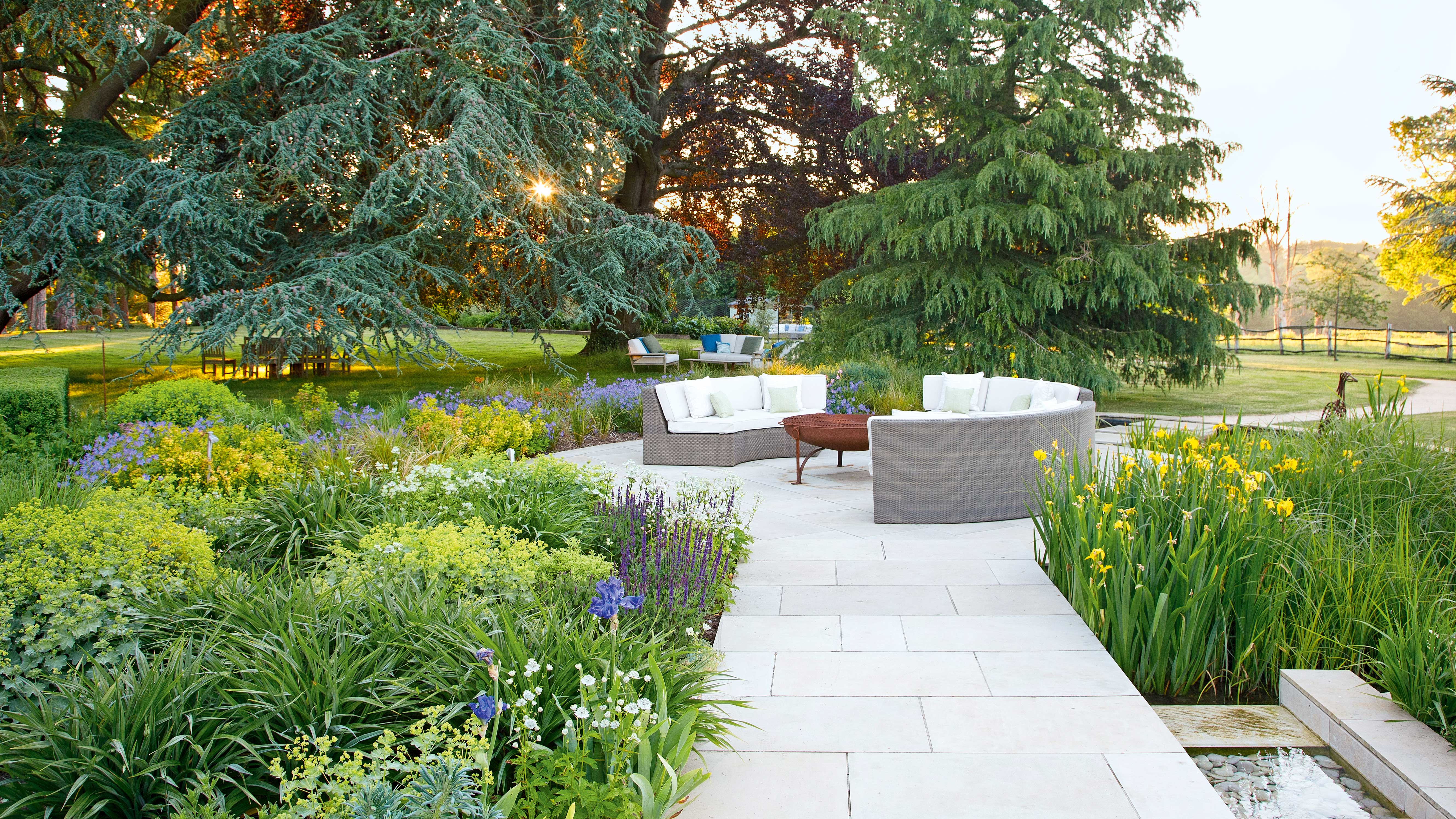
The design process for hardscaping should complement the natural landscape and meet the needs of the homeowner. The design should be functional, with pathways that lead to important areas of the garden, and structures that provide shade or shelter. The design should also be aesthetically pleasing, with materials that blend in with the natural landscape and structures that are visually appealing.
A successful hardscaping project by West Berkshire Brickwork & Landscaping illustrates the transformative power of hardscaping. The project involved creating a garden wall, pathways, and a pergola. The garden wall was used to create privacy and retain soil. The pathways were made from stone and led to important areas of the garden. The pergola was used to provide shade and shelter. The project was a success because it met the needs of the homeowner and created a beautiful and functional garden.
Hardscaping is a powerful tool for enhancing gardens. It can add functionality and aesthetic appeal to outdoor spaces. The materials used should be durable, aesthetically pleasing, and environmentally friendly. The design process should be functional and aesthetically pleasing. A successful hardscaping project can transform a garden into a beautiful and functional space.


